

If your garage door is suddenly refusing to open, this might mean trouble. Heavy resistance when lifting signals something’s wrong. That loud snap from inside the garage often points to one thing. A broken spring is likely. Most people wonder what comes next. The real concern pops up fast and costs become the main thought.
Fixing a broken spring on your garage door is common maintenance, yet plenty get it wrong. Costs shift depending on several things, with web numbers sometimes off or unclear. Here’s the real picture on garage door spring replacement costs, what pushes prices up or down and all the details worth knowing ahead of time. The cause of the problem shows up only after inspecting each part closely.
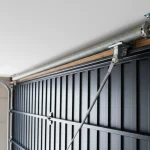
Garage Door Springs Matter
Most of the automation work happens thanks to garage door springs. Credit often goes to the opener, yet it’s the springs handling the door’s weight. A proper spring setup means even a 100-kilo door glides easily. Smooth motion comes from balanced tension, not motor power.
One moment it works fine, next thing you know the mechanism struggles under a full load. Without support from the spring, movement halts shortly after starting. Sometimes it refuses to budge at all.
Average Garage Door Spring Replacement Costs
Most times, prices sit from £150 up to £350 when swapping out a garage door spring – what you pay differs based on the spring model. Door dimensions matter too, along with how heavy it is. If just one spring needs replacing, cost stays lower; if both need replacing, numbers climb.
Most times the cost covers the spring, work time, correct tightening, plus inspection for safety.When a quote seems too low, check exactly what they actually offer.
Factors That Influence Garage Door Spring Replacement Cost
Garage door springs differ in many ways, yet what they cost often depends on specific details. Some last longer while others fit certain models only. Size matters just as much as material type does. Installation complexity can push prices higher even if the spring seems cheap. The weather where you live might affect which style works best too. Replacement frequency plays a role not everyone notices at first glance.
Types of Springs
One kind of garage door spring works like a twist, another stretches to help lift the door.
Above the garage door frame, torsion springs sit quietly doing their job. Most newer models rely on them instead of older types. These coils endure more cycles before wearing out. Movement feels steady during lifting and closing. When set up right, risks drop significantly compared to alternatives. Swapping old ones demands a higher budget though.
Along the edges of the door, extension springs stretch from one end to another, they show up a lot in older setups. These parts often cost less when swapped out; however, they also break down sooner than others do. Still, their presence is typical where age plays a role.
A different kind of spring swap often means a higher price tag – torsion units need extra care during changes. Extension types usually take less time, which shows up on the bill.
One Spring versus Two Springs
One spring might snap, yet most garage doors run on a pair. Fixing only the damaged one can feel like saving money up front. Still, experts usually suggest swapping both together. The working spring could fail soon after, leaving you back where you started.
One broken spring often means the second won’t last much longer. Swapping out both stops a quick repeat failure while ensuring smooth door operation. True, doing them together takes more at first, yet it cuts future hassle and expense down the line.
Door Size and Weight
Most heavy doors need sturdier springs to work properly. When it comes to double garages, insulation inside the door, or ones made of thick wood, they rely on stronger spring ratings. These upgraded parts tend to raise the overall price.
Wrong springs break early, harming the opener – measuring accurately stops that. Length gaps lead to stress, so getting it exact makes sense.
Labour and Safety
Replacing a garage door spring isn’t just swapping one part for another. Under high pressure, these springs demand careful handling. A mistake during setup might lead to harm or damage around the area.
Starting fresh means taking out the broken spring carefully. A new one gets set with exact tightness so it works right. The door then lines up evenly on its track. Every piece of the setup runs through checks after that. It takes professional skill, not only swapping parts.
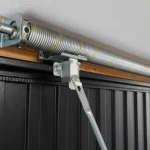
Garage Door Spring Replacement Isn’t Safe for DIY
Surprise hits when people find out how risky fixing garage door springs can be. Released the wrong way, the force inside one could seriously hurt someone.
Most repair visits show what happens when people try fixing springs themselves. Tracks get warped because force is misapplied. Openers crack under wrong adjustments. Doors suffer harm from uneven tension. All of it adds up faster than just hiring a pro from the start.
A trained technician must take care of spring replacements as safety depends on it. If you’re unsure on which repairs are safe for you to carry out yourself, please see our guide here.
Garage Door Spring Replacement Signs
Most people miss a snapped spring until it’s too late. When the door creeps up just a crack, that’s one clue. A sudden slam without warning might catch you off guard. Sharp cracking sounds during operation are hard to ignore. Look closely – you could spot splits along the coil. Try lifting by hand and if it drags like stone, something is wrong.
When spotting these symptoms, step away from the door and set up a check-up. Running it further while the spring is compromised risks harming the motor, or worse, triggering a sudden collapse.
Typical Lifespan of Garage Door Springs
A typical garage door spring handles about ten thousand up-and-down motions. Each time the door goes up then back down counts as one of those moves.
Most homes open their garage doors several times each day. Springs tend to hold up for seven to ten years under that routine. When usage climbs, or the door weighs more, they usually wear out more quickly.
Replacing Garage Door Springs on Older Doors?
Most of the time, that works. When the door isn’t damaged, swapping out just the springs costs a lot less than putting in a whole new setup.
Still, when a door’s age shows heavy wear or several parts aren’t working right, swapping it out might make more sense than repairing. A skilled professional won’t push costly fixes but lay out each of your options plainly.
Typical Inclusions in the Price
With the old spring taken out, fit new ones that match the size exactly. After that, adjust the door so it moves evenly. Tension needs checking too. The opener gets a trial run once done. Look over key spots to make sure everything works safely.
Who wouldn’t want to know about coverage for parts along with workmanship? Good firms will tell you straight away.
Final Thoughts
Start by checking if the price covers both components and repairs. Does it account for replacing just one spring or two? Safety upgrades might increase cost – find out now. If your garage door springs are becoming increasingly unreliable, get in touch the team at Bullet Garage Doors and we will be more than happy to pay you a visit and explain repair and replacement options clearly. Give us a call today on 07880 542433 or 01582 932025.